
Core Concept and Arena Design
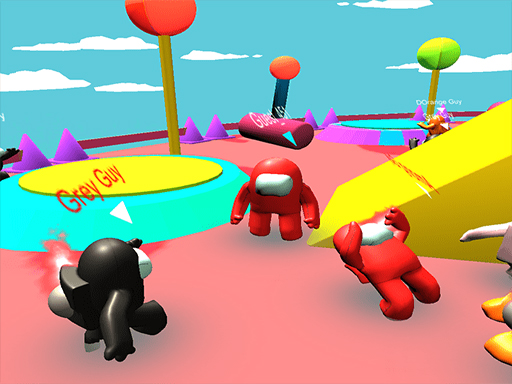
Platform Dash Arena transforms the simple idea of a race into a playful contest of survival across increasingly complex arenas. Each round takes place on a new platform filled with moving slides, rotating barriers, and sudden drops. The arenas are designed to feel lively and unpredictable, encouraging players to stay alert and adapt their movement strategies. The visual style is bright and cartoonish, making every fall or near-miss feel amusing rather than frustrating.
Character Control and Movement
Players control their character using straightforward inputs for running, jumping, sliding, and flipping. These movements are responsive and allow for quick adjustments when navigating tight spaces or avoiding obstacles. The controls are easy to learn, so new players can join without lengthy tutorials. Mastering the timing of jumps and slides becomes important in later rounds when platforms shrink and obstacles move faster.
Multiplayer Sessions and Group Play
The game supports sessions where several players can compete together. Friends can take turns on the same device or join from their own screens. The multiplayer format adds a social element, as players can see each other's positions and react to their movements. This setup works well for parties or casual gatherings, providing a shared experience that is both cooperative in spirit and competitive in outcome.
Round Progression and Difficulty Curve
As players survive each round, the challenges escalate. New obstacles appear, platforms become narrower, and the pace quickens. This gradual increase in difficulty keeps the gameplay engaging without overwhelming newcomers. Early rounds serve as a warm-up, allowing players to practice their moves and learn the physics of the arenas. Later rounds demand sharper reflexes and more strategic positioning.
Family-Friendly Design Philosophy
The game is built around the idea of inclusive fun. There is no graphic content or mature themes. The obstacles are whimsical, and the action focuses on movement and timing rather than direct conflict. This design makes it suitable for players of different ages and skill levels. Parents can feel comfortable letting children play, and adults can enjoy the lighthearted competition without concern.






Comments
0 comments