
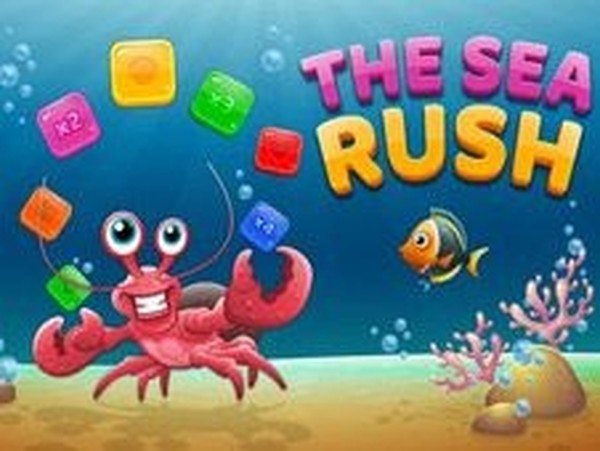
Core Game Loop
Players look at a board filled with colorful square tiles. The goal is to find and select groups of three or more tiles of the same color that are next to each other horizontally, vertically, or diagonally. When a valid group is tapped, those tiles vanish, and the ones above drop down. New tiles then appear from the bottom, filling the empty spaces. This can set off chain reactions when newly formed groups also match. The board steadily rises from below, so every move matters to keep the pile from reaching the top edge.
Visual Style and Accessibility
The game uses bright, distinct colors for each tile type, making them easy to tell apart at a glance. The cheerful palette and simple interface mean players of any age can jump in without confusion. The layout stays clean, with no distracting animations during play. This design choice helps maintain focus on the puzzle itself, which is especially helpful during longer sessions or when playing in short bursts.
Special Tile Effects
Occasionally, tiles with unique markings appear on the board. These special tiles can clear an entire row, a whole column, or a larger surrounding area when matched. Using them at the right moment can give breathing room when the stack gets high. Learning when to hold onto these tiles versus using them immediately adds a layer of strategy beyond simple color matching.
Difficulty Progression
As play continues, the speed at which new tiles appear may increase, or the board may start with a higher initial stack. This gradual ramp keeps the game engaging without sudden spikes in challenge. The lack of a timer on individual moves means players can pause to think, but the rising floor creates a natural sense of urgency. This balance makes the game suitable for both quick five-minute sessions and longer, more thoughtful play.








Comments
0 comments