
The One-Shot Rule
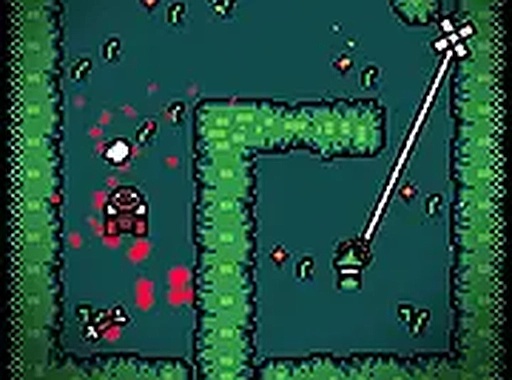
At the heart of One Try Precision Puzzle lies a single, strict constraint: you get exactly one attempt per room. This limitation transforms each level into a compact logic problem. Instead of relying on trial and error, you must first observe the entire scene, note the positions of all targets, and understand how any moving elements behave. Only then do you take your shot. This design encourages careful thought over quick reactions, making each cleared room feel like a genuine accomplishment.
Room Layouts and Obstacles
Every room in the game offers a distinct arrangement of targets and barriers. Some layouts feature stationary targets that require a straight trajectory, while others introduce moving obstacles that shift position over time. These elements force you to consider both space and timing. The variety ensures that no two rooms feel the same, keeping the gameplay fresh across many sessions. As you advance, the configurations become more intricate, demanding greater attention to detail.
Controls and Accessibility
The game uses simple mouse-based controls for aiming and releasing the shot. This straightforward input method allows players of all ages and experience levels to pick up the game quickly. There are no complex menus or tutorials to wade through. The interface is clean and uncluttered, letting you focus entirely on the puzzle at hand. Playing in full-screen mode can help you see the entire room without distraction, which is especially useful for rooms with wide layouts.
Pacing and Session Length
Each round in One Try Precision Puzzle is designed to be completed in a short amount of time. This makes the game well-suited for quick play sessions during a break or while waiting. The arcade-style structure means you can play a few rooms and then set the game down without losing progress. Despite the short individual rounds, the increasing difficulty provides a satisfying sense of progression. The game respects your time while still offering a meaningful mental challenge.
Building Focus and Planning Skills
Regular play can help sharpen your ability to concentrate and plan ahead. Because each room allows only one attempt, you learn to resist the urge to act impulsively. Instead, you develop the habit of surveying the environment and mapping out a path before executing. This skill transfers well to other puzzle games and even real-world problem-solving. The game rewards patience and careful observation, making it a useful tool for anyone looking to improve their strategic thinking.






Comments
0 comments