About this game
Game Introduction
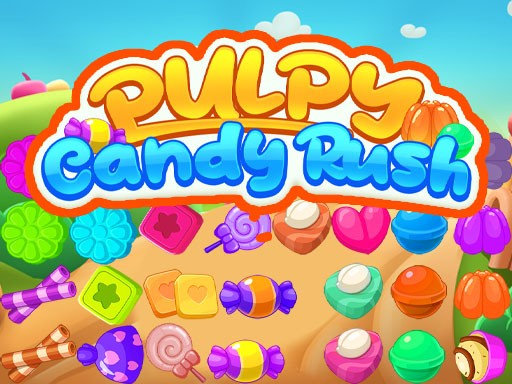
Pulpy Candy Rush Memory Puzzle Game invites players into a sweet, colorful world where the primary objective is to match pairs of hidden candy images. This memory-based puzzle game is designed to enhance cognitive abilities such as recall and concentration. Starting with a simple 2x2 grid, it gradually increases in complexity, offering a gentle yet engaging mental workout. The cheerful visuals and rewarding gift system make it a wholesome activity suitable for children, families, and anyone seeking a relaxing brain exercise.
How to Play
Players begin by tapping or clicking on a tile to reveal the candy image underneath. Then, they select a second tile to see if it matches the first. If the two candies are identical, the tiles stay open and a gift is earned. If they do not match, the tiles flip back after a brief pause. The game starts with a 2x2 grid, making it easy for beginners, and expands to larger grids as the player progresses. There are no time limits, allowing players to play at their own pace and focus on remembering the positions of each candy.
Game Features
The game features progressive difficulty, beginning with a small 2x2 grid and increasing in size as skills improve. Each successful match earns a gift, adding a rewarding layer to the classic memory format. There are no time limits, promoting relaxed and stress-free gameplay. The visuals are colorful and candy-themed, appealing to a wide audience. Simple tap or click controls make the game accessible to young children and adults alike. The core mechanics focus on memory training, helping to sharpen recall and concentration in a fun, non-violent environment.
Tips for Success
To improve your performance, practice regularly to strengthen your memory skills. Start with smaller grids to build confidence before moving to larger challenges. Focus on the positions of tiles that have been revealed, and try to create mental associations between candies and their locations. Take your time—there is no rush, so use each turn to carefully observe and remember. Consistent play will help you develop better recall strategies, making it easier to tackle larger grids over time.